


Story behind Panch Kedar
- Divine Trail
- Treks
- Story behind Panch Kedar
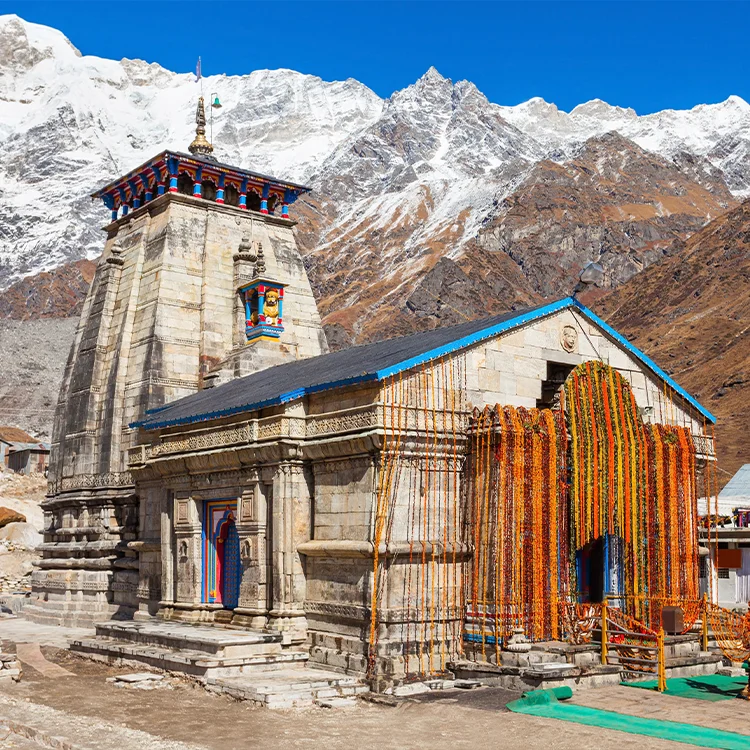
The Story Behind Panch Kedar: The Sacred Journey of Lord Shiva in the Himalayas
Hidden deep within the majestic Garhwal Himalayas of Uttarakhand lies one of India’s most spiritually powerful pilgrimage circuits — the Panch Kedar. These five ancient temples dedicated to Lord Shiva are not just places of worship, but living legends wrapped in mythology, devotion, and breathtaking mountain landscapes.
For centuries, pilgrims, trekkers, and seekers have undertaken this sacred journey to experience both spiritual awakening and the raw beauty of the Himalayas.
What is Panch Kedar?
The term Panch Kedar translates to “Five Kedars.” These are five revered temples of Lord Shiva located across the Himalayan region of Uttarakhand:
- Kedarnath Temple
- Tungnath Temple
- Rudranath Temple
- Madhyamaheshwar Temple
- Kalpeshwar Temple
Each temple represents a different part of Lord Shiva’s body, making this pilgrimage deeply symbolic and spiritually significant.
The Mythological Story Behind Panch Kedar
The origins of Panch Kedar trace back to the epic Mahabharata.
After the Kurukshetra war, the Pandavas were burdened with guilt for killing their own relatives and countless warriors. Seeking forgiveness, they decided to worship Lord Shiva and ask for redemption.
However, Shiva was upset with them due to the destruction caused during the war and chose to avoid them. He disguised himself as a bull (Nandi) and hid in the Garhwal Himalayas.
The Pandavas eventually discovered Shiva in Guptkashi. But as Bhima tried to catch the bull, Shiva disappeared into the ground. It is believed that different parts of his body reappeared in five separate locations across the Himalayas.
These sacred sites became the Panch Kedar temples:
- At Kedarnath, Shiva’s hump appeared.
- At Tungnath, his arms emerged.
- At Rudranath, his face appeared.
- At Madhyamaheshwar, his navel manifested.
- At Kalpeshwar, his hair or matted locks appeared.
The Pandavas built temples at these locations to honor Lord Shiva and seek liberation from their sins.
1. Kedarnath – The Heart of Panch Kedar
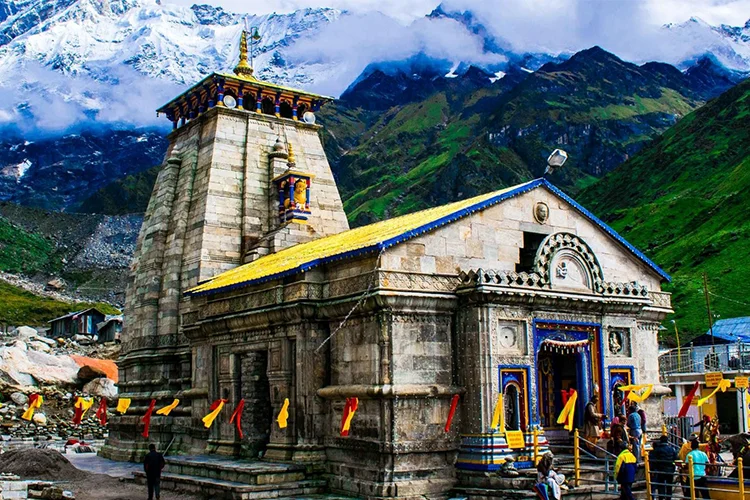

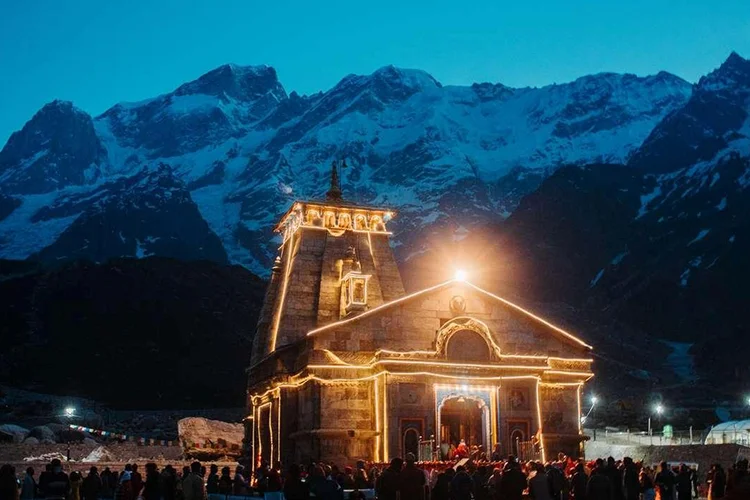
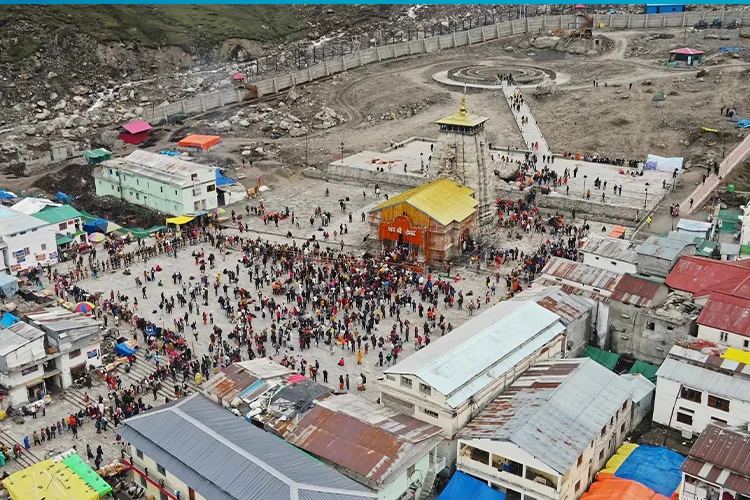
Kedarnath Temple is the most famous and spiritually significant among the Panch Kedar temples. Situated at an altitude of around 3,583 meters, it is surrounded by snow-covered peaks and dramatic Himalayan landscapes.
Dedicated to the hump of Lord Shiva, Kedarnath is also one of the twelve Jyotirlingas in India. The temple remains open only for a few months each year due to extreme winter conditions.
The journey to Kedarnath is not just a pilgrimage — it’s an emotional and spiritual experience that stays with devotees forever.
2. Tungnath – The Highest Shiva Temple in the World
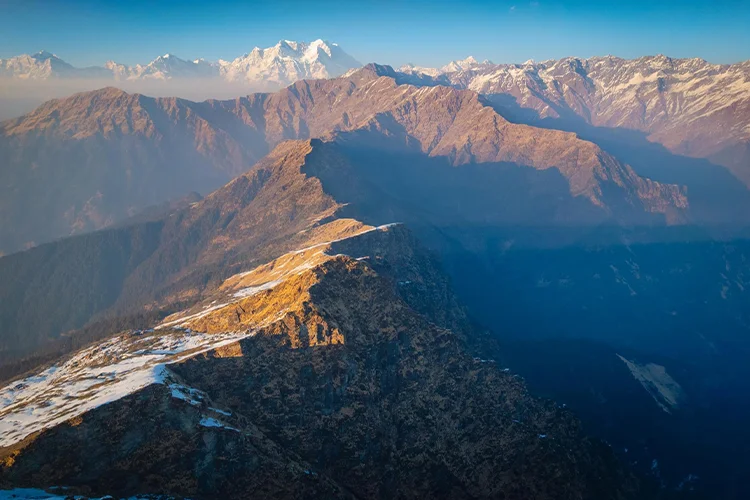
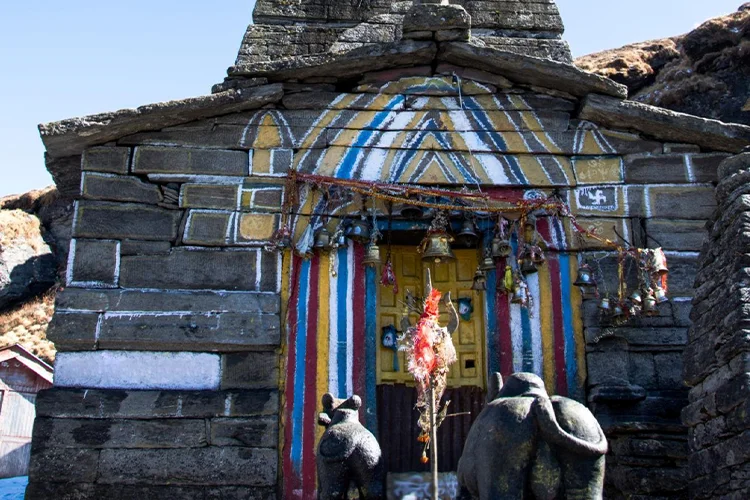
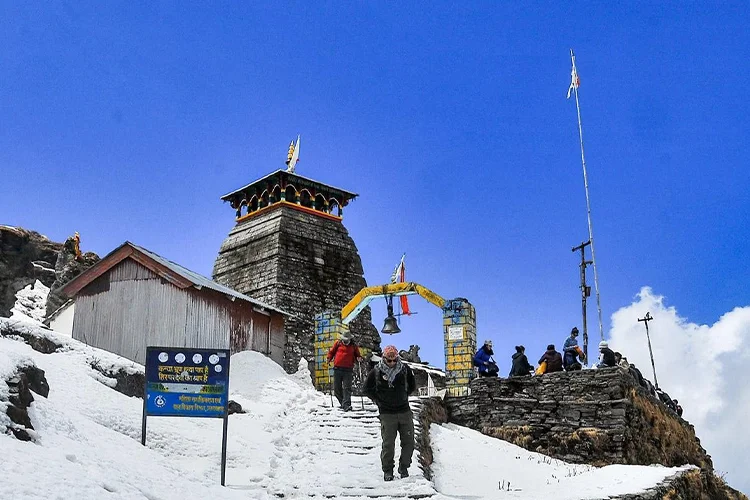
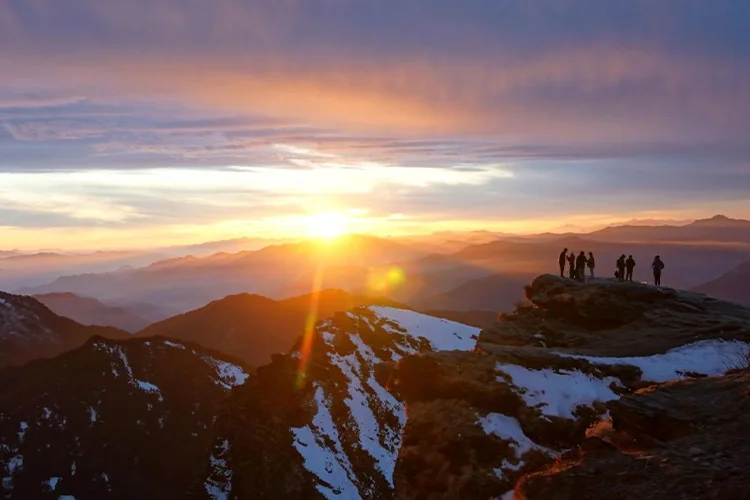
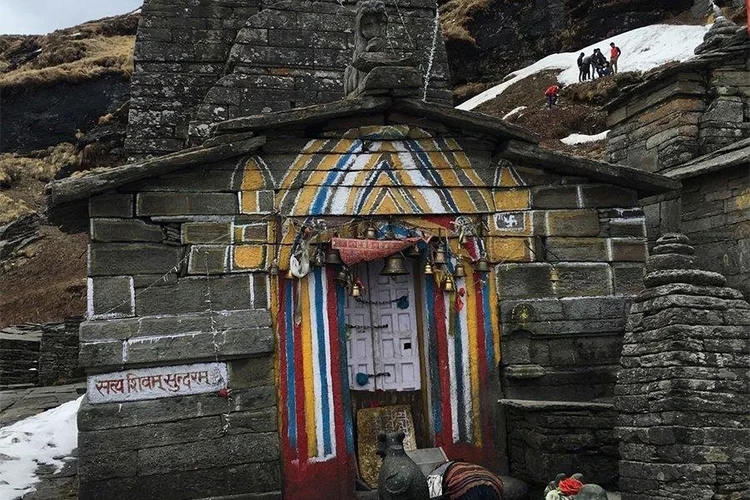
Located at an altitude of over 3,680 meters, Tungnath Temple is considered the highest Shiva temple in the world.
This temple represents the arms of Lord Shiva. The trek to Tungnath is relatively accessible and offers mesmerizing views of peaks like Chaukhamba, Nanda Devi, and Kedarnath.
Many travelers combine the spiritual experience with the famous Chandrashila summit trek nearby.
3. Rudranath – The Temple Hidden in the Wilderness
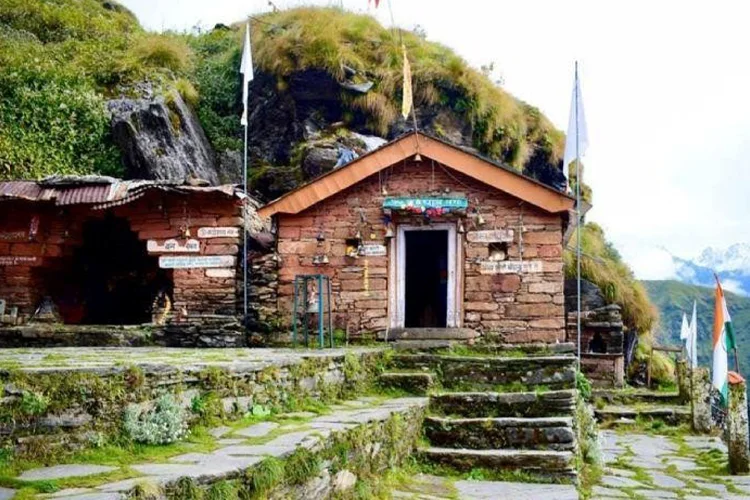
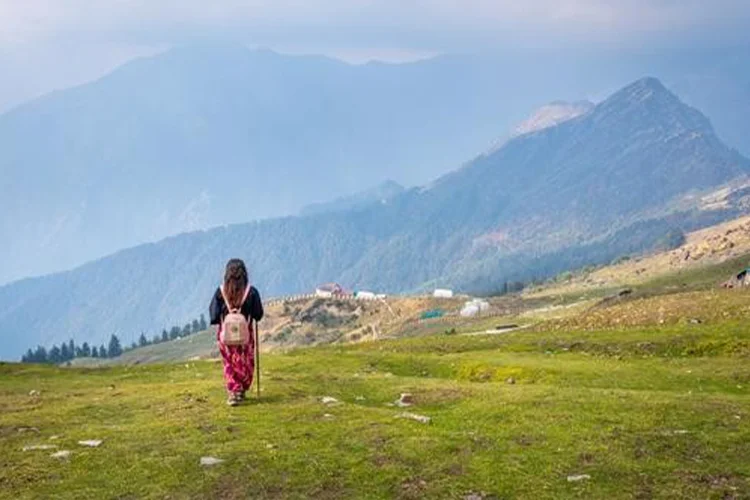
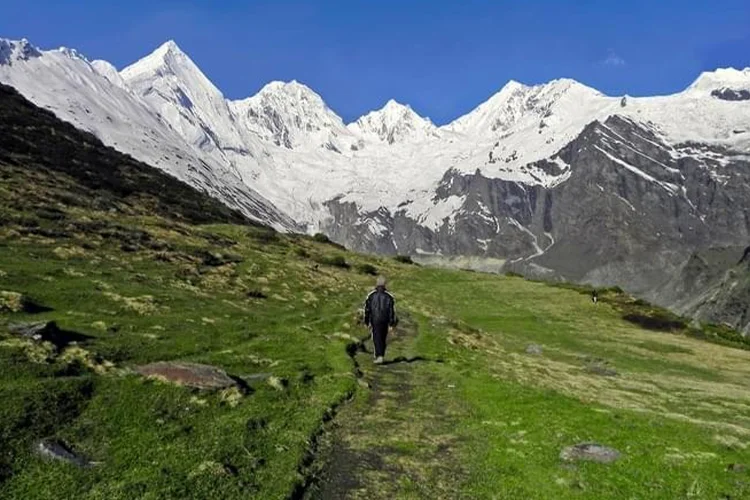
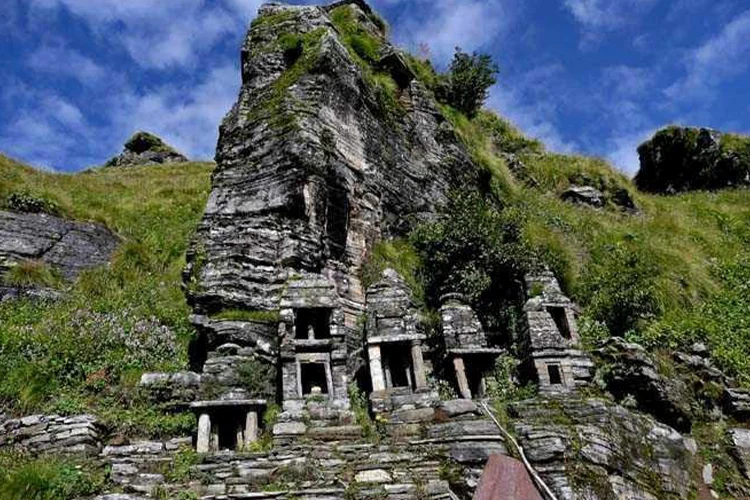
Among all the Panch Kedar temples, Rudranath Temple is often considered the most mystical.
Dedicated to the face of Lord Shiva, the temple is surrounded by dense forests, alpine meadows, and untouched Himalayan beauty. Reaching Rudranath requires a challenging trek, making the journey deeply immersive and peaceful.
The silence of the mountains here feels almost meditative.
4. Madhyamaheshwar – Where Divinity Meets Serenity
Madhyamaheshwar Temple is associated with the navel of Lord Shiva.
Nestled amidst green valleys and towering peaks, this temple offers one of the most scenic experiences in Uttarakhand. During sunrise, the reflection of Chaukhamba peaks creates an unforgettable sight for pilgrims and trekkers alike.
The journey here feels calm, raw, and deeply spiritual.
5. Kalpeshwar – The Eternal Abode in the Valley
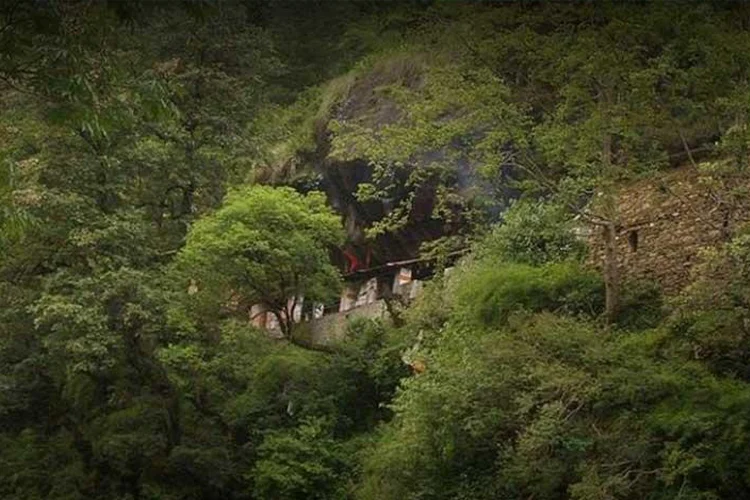
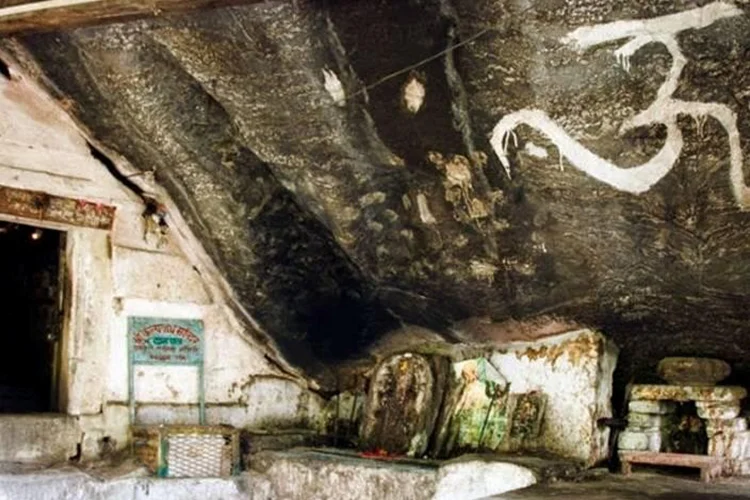
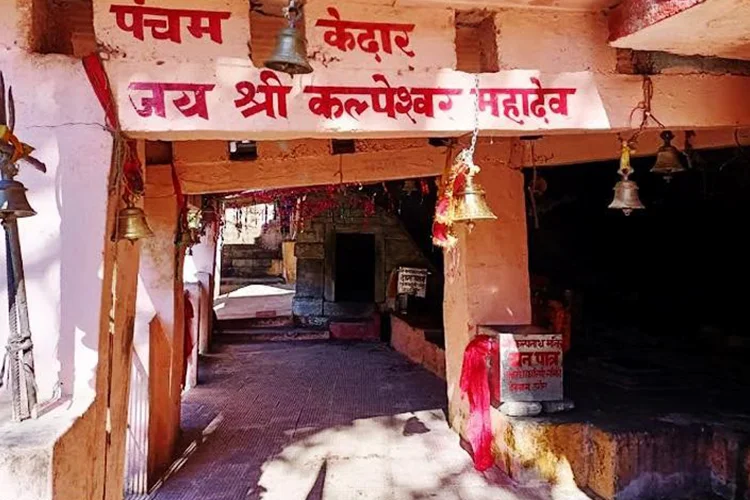
Unlike the other Panch Kedar temples, Kalpeshwar Temple remains open throughout the year.
This sacred temple is dedicated to the hair or matted locks of Lord Shiva and is located inside a cave-like setting surrounded by lush greenery.
Kalpeshwar offers a quieter and more intimate spiritual experience, making it a favorite among travelers seeking peace away from crowded pilgrimage routes.
Why Panch Kedar is More Than Just a Pilgrimage
The Panch Kedar journey is not only about religion — it is about transformation.
Every trail, temple bell, mountain sunrise, and moment of silence in the Himalayas feels deeply personal. The journey tests your endurance, humility, and faith while rewarding you with unmatched natural beauty and inner peace.
For many travelers, Panch Kedar becomes less about reaching destinations and more about discovering themselves along the way.
Best Time to Visit Panch Kedar
The ideal time to visit Panch Kedar is between May and October, when the temples remain accessible and the weather is favorable for trekking.
During monsoon months, travelers should remain cautious due to landslides and unpredictable mountain weather.
Winter transforms the region into a snow-covered wonderland, though most temples close during this season except Kalpeshwar.
Final Thoughts
The story behind Panch Kedar is a beautiful blend of mythology, devotion, adventure, and Himalayan spirituality. Whether you are a devotee of Lord Shiva, a trekking enthusiast, or simply someone seeking peace in the mountains, this sacred journey leaves an unforgettable mark on the soul.
In the Himalayas, legends are not just told — they are lived.